
I have never believed that good design begins with a blank screen.
It begins much earlier, in the things a person has handled, repaired, grown, made, sold and occasionally broken. It begins in the places where ideas are tested by weather, materials, customers, machinery and time.
For me, those places have included design studios, farms, workshops, small businesses and long stretches of road. They may appear to be separate lives, but they have always fed the same way of thinking.
The farm teaches consequence. The workshop settles arguments. The road sharpens judgement. The studio gives those lessons a visible form.
That is where much of my design work comes from.
Not from trying to look different for the sake of it, and certainly not from borrowing a fashionable surface from someone else's life. It comes from paying attention to my own.
A trend can give work a surface. It cannot give it a spine.
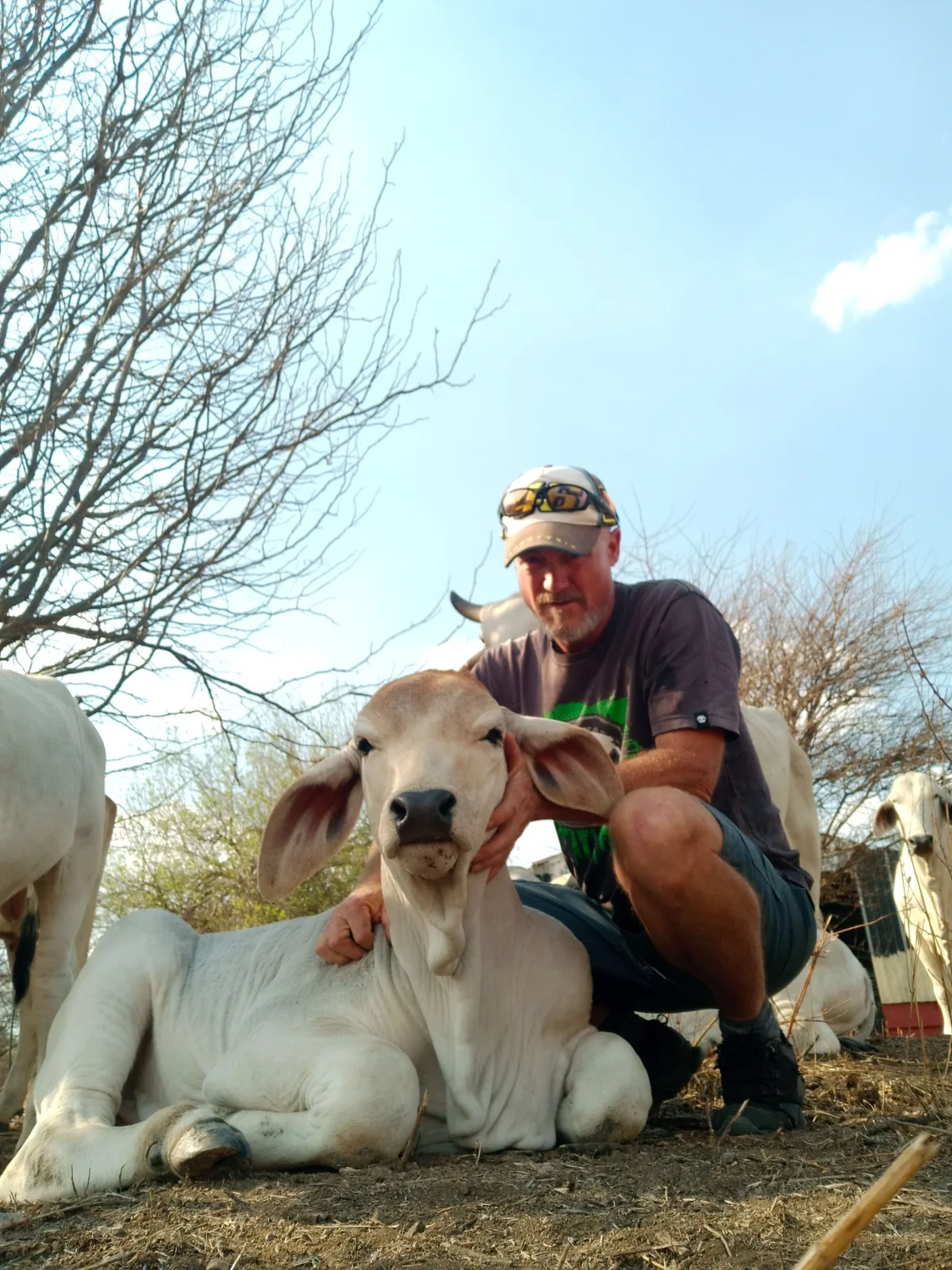
The farm teaches consequence
Farming is an excellent cure for abstract thinking.
A field does not care how persuasive the presentation was. Animals still need water, machinery still needs maintenance and a late decision can become an expensive one. Weather changes the plan without asking permission.
That does not make farming joyless. It makes it honest.
On a farm, observation matters. You learn to notice small changes before they become large problems. You learn that timing is not merely a diary entry. You learn that growth cannot be bullied, but neither can it be left to chance.
Those lessons travel surprisingly well into design.
A brand also has to live in real conditions. It has a customer, a price, a production method and a job to do. It may need to work on a sign, a shirt, a soap wrapper, a website and a battered delivery box. If the idea only works in a pristine mock-up, it has not yet earned its keep.
Farming also teaches restraint. You cannot plant every seed in the packet and call the result a strategy. You choose what suits the land, the season and the market. Design needs the same discipline. More elements do not automatically create more meaning.
Sometimes the most useful decision is what not to add.
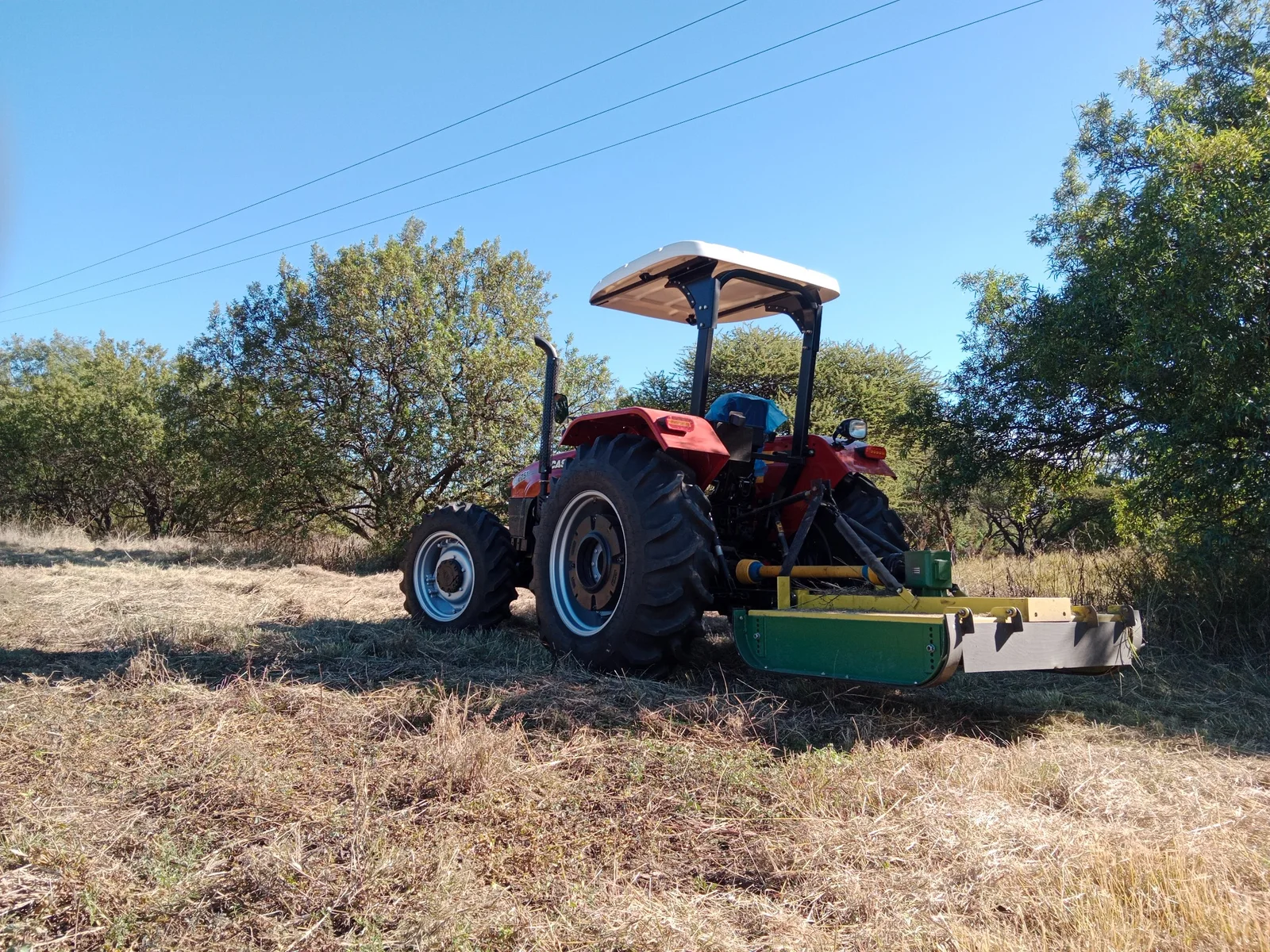
The workshop settles arguments
The workshop is where attractive assumptions go to be measured.
Whether I am developing packaging, making soap, testing a product idea or working through a production problem, the material eventually has its say. Paper has a fold. Ink behaves differently on different surfaces. A mould has a capacity. A label must fit. A product has to be packed, stored and handled by an actual person.
A machine has no interest in your creative intent. It either works or it does not.
This is why I have always been wary of design that has no relationship with making. It is easy to produce a convincing image of a product that cannot be manufactured sensibly. It is harder, and far more useful, to design something that survives contact with the workbench.
The workshop also changes the meaning of failure. A poor result is not a personal insult. It is information. It tells you where the tolerance was wrong, where the sequence broke down or where an assumption escaped without being checked.
That habit matters in business. When a product is confusing, a process is wasteful or a customer does not respond, the answer is not to defend the original idea more loudly. The answer is to inspect what happened and improve the next version.
If it cannot be made, used or repeated properly, it is still an idea, not a product.
The road sharpens judgement
The road teaches a different kind of attention.
On a motorcycle, you learn to read what is ahead while remaining aware of what is beside and behind you. Conditions change quickly. The useful response is not panic, but adjustment.
There is a rhythm to good riding. You do not fight every bend. You prepare, choose your line and carry the right amount of momentum. Confidence helps; vanity does not.
The same is true in business and design.
You need direction, but you also need enough awareness to change when the evidence changes. Holding stubbornly to the original route is not always conviction. Sometimes it is simply refusing to admit that the road has moved.
The road also gives you distance from the noise. A long ride has a way of reducing an overcomplicated problem to its essential parts. What is the destination? What matters now? What can be left behind?
That kind of editing is valuable. Most weak ideas do not suffer from too little decoration. They suffer from too little clarity.
Business was never theory
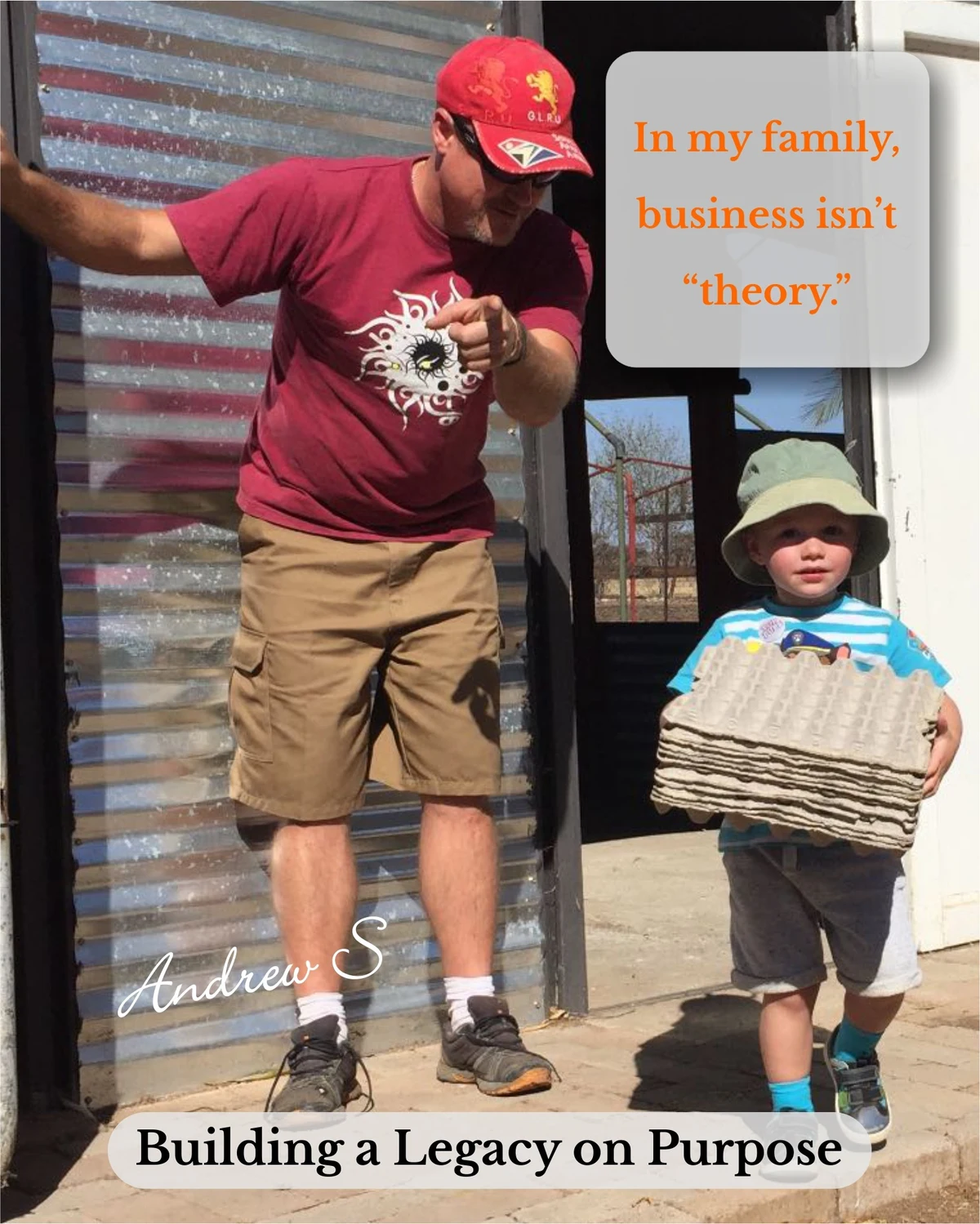
In my family, business was never theory.
It was animals to be cared for, eggs to be packed, products to be delivered, customers to be answered and bills that arrived whether the week had gone well or not. Work and responsibility were visible. A younger generation did not need a lecture on enterprise when it could see boxes moving through the door.
That experience made me sceptical of branding that tries to manufacture character after the fact.
A convincing business identity should reveal something true about the work. It should help the customer recognise the promise, understand the offer and remember the difference. It should not invent a grand mythology to compensate for a vague product.
This does not mean every brand story needs to be literal. A designer still interprets, edits and creates. But the strongest creative choices usually have roots somewhere real.
The red dust on a boot, the shape of a machine, the rhythm of a workshop, the typography on an old working sign and the quiet authority of something made to last can all become useful source material. They carry weight because they have been observed, not downloaded as a mood.
Lived experience is not a costume
There is a growing appetite for work that feels rugged, handmade, rural or authentic. That can produce beautiful design, but it can also produce a great deal of costume.
Adding distressed lettering, a vintage badge and a few earthy colours does not make a brand grounded. It merely makes it look as though it would like to be.
Lived experience is different. It affects judgement before it affects style.
It changes which details you notice, which claims you distrust and which promises you are willing to put your name behind. It helps you recognise when an idea is romanticising work that is, in reality, repetitive, physical and sometimes inconvenient.
I value the romance of the farm, the workshop and the open road, but I also know about breakdowns, mud, costs, deadlines and imperfect conditions. Both sides belong in the story. Remove the difficulty and you remove much of the character.
That is one reason SunburnRoots does not treat the land, machinery and road culture as decorative themes. They are working parts of the life behind the designs.
Trends are useful servants and poor masters
Every designer works within a visual moment. Typefaces become fashionable, colour palettes circulate and certain layouts begin appearing everywhere. Ignoring all of that would be foolish. Following all of it would be worse.
Trends can help a piece of work feel current. They can also make five unrelated businesses look as though they share the same designer, the same template and possibly the same breakfast.
Original work needs a stronger centre.
That centre is not found by attempting to be eccentric. It comes from knowing what the work is about, who it is for and which experiences give you a credible point of view.
When that foundation is clear, trends can be selected rather than obeyed. You can use what serves the idea and leave the rest to enjoy its brief moment in the sun.
Originality is not the absence of influence. It is influence filtered through a life of your own.
Turn experience into a system
Lived experience may provide the raw material, but raw material is not yet design.
The designer still has to shape it into something another person can understand. That requires selection, hierarchy and consistency. The story must become a usable system.
For SunburnRoots, that means bringing apparently different interests under one practical roof: working land, road and machine culture, wildlife, independent products and commercial design. The connection is not a shared decorative style. It is a shared way of looking at work.
Each range still needs its own customer and purpose. Each product still needs to make commercial sense. The larger story should hold the parts together without forcing them to become identical.
That is the difference between a coherent house and a cupboard full of unrelated ideas.
The same principle applies to client work. The strongest brand system does not simply repeat a logo. It gives the business a recognisable voice, a disciplined visual language and enough flexibility to function in the places where customers actually meet it.
The story provides direction. The system makes it useful.
Start with what you genuinely know
When I begin a new piece of work, I find these questions more useful than asking what is currently popular:
- What do I know from direct experience?
- What have I grown, repaired, made, sold, ridden or learnt the hard way?
- Which part of that experience matters to the customer?
- Which details are true, and which are merely decoration?
- Can the idea survive production, use and ordinary life?
- What can be removed without weakening the story?
These questions do not guarantee a brilliant answer, but they usually produce a more honest starting point.
Lived experience is not a licence to make every project about yourself. The customer still matters. The market still matters. Good design translates experience into something useful for another person.
But experience does help you ask better questions. It gives you a feel for consequences, a respect for materials and a healthy suspicion of ideas that sound impressive before anyone has tried to make them work.
You are already living the source material
The most valuable source material is often closer than we think.
It may be in the work your family has done, the tools you have learnt to use, the mistakes that cost you money, the places you return to and the interests you have carried long after a trend moved on.
My own design practice has been shaped by commercial studios and computer screens, but also by livestock, egg trays, soap batches, machinery, motorcycles, customers and dirt under the nails. None of those experiences replaces design skill. They give the skill something worthwhile to say.
That is why I design from the farm, the workshop and the road.
Not because those places make a convenient image, but because they have taught me how ideas behave when they leave the page.
You do not need to invent a story if you have paid attention to the life you are already living.